
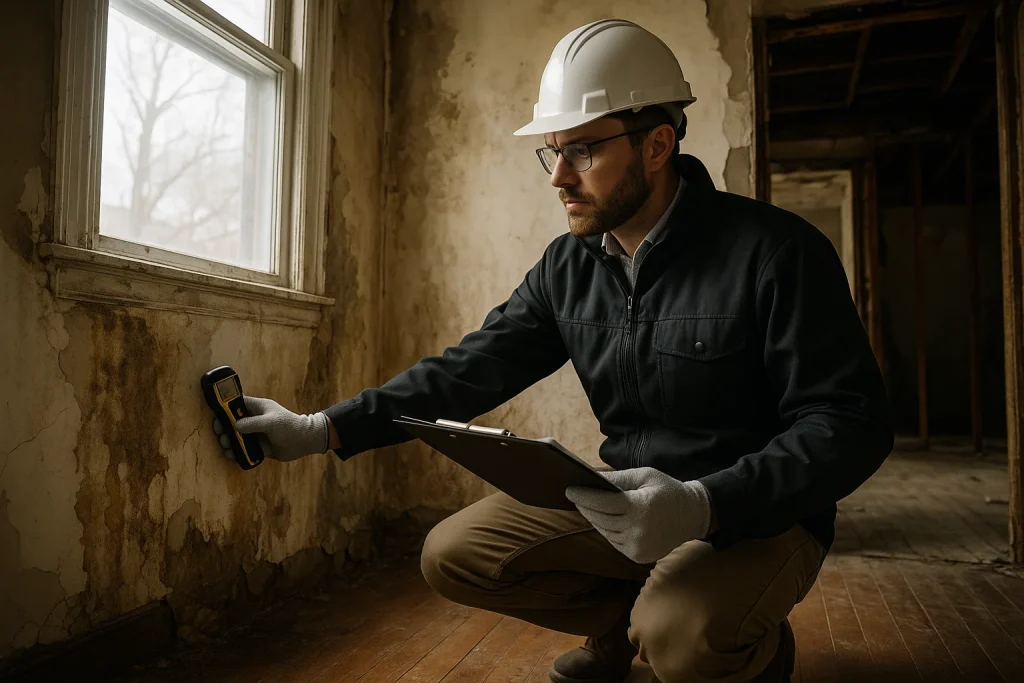
When disaster strikes, whether it is due to fire, water, or mold, the first critical step in the recovery process is conducting a thorough damage assessment. Damage assessment allows homeowners and restoration professionals to understand the extent of the destruction and determine the necessary actions to restore a property effectively. In this article, we will explore powerful damage assessment techniques that transform recovery efforts, helping you make informed decisions and accelerate restoration.
At Restoration 365, serving Southeastern PA and Southern New Jersey, we understand the importance of accurate damage assessment. Our team uses industry-leading methods to evaluate damage, ensuring comprehensive restoration planning that saves time and reduces costs. Let’s dive into the essential damage assessment techniques that set the foundation for successful recovery.
What Is Damage Assessment and Why Is It Vital?
Damage assessment is the systematic process of inspecting a property after a disaster to identify the type, severity, and scope of damage. This evaluation covers structural harm, material degradation, and potential health hazards like mold growth. Performing an accurate damage assessment is vital because it:
- Guides the restoration strategy by identifying priorities
- Helps quantify repair costs and timelines
- Aids in insurance claims and documentation
- Prevents further damage by addressing hidden issues early
Without a detailed damage assessment, restoration efforts risk being incomplete or inefficient, leading to prolonged recovery and higher expenses.
Key Damage Assessment Techniques for Water, Fire, and Mold Damage
Different types of disasters require tailored damage assessment approaches. Here are the most powerful techniques used by restoration experts during evaluation:
1. Visual Inspection and Documentation
The foundation of every damage assessment starts with a careful visual inspection. This involves walking through the property to observe visible signs of damage such as:
- Water stains and warping on floors and walls
- Burn marks, soot, and structural charring from fire
- Discoloration and fuzzy growth indicating mold presence
Documenting this inspection with photographs and detailed notes is critical for record-keeping and insurance claims.
2. Moisture Detection Tools for Water Damage Assessment
Hidden moisture can severely damage building materials and promote mold growth. Using moisture meters and infrared cameras enables professionals to detect water trapped behind walls, under floors, and in roofing materials. These tools help pinpoint areas needing drying and prevent secondary damage.
3. Air Quality Testing for Mold Damage Assessment
Mold spores in the air pose health risks, so assessing indoor air quality is essential. Specialized air sampling devices measure mold spore concentrations and identify species present. This information determines the scope of mold remediation needed and informs safety precautions.
4. Structural Integrity Evaluation
Damage to structural elements like beams, columns, and foundations can compromise the safety of a building. Engineers or certified inspectors evaluate load-bearing components using non-destructive testing methods, such as ultrasound or ground-penetrating radar, to uncover hidden cracks or weaknesses.
5. Thermal Imaging to Detect Fire and Heat-Related Damage
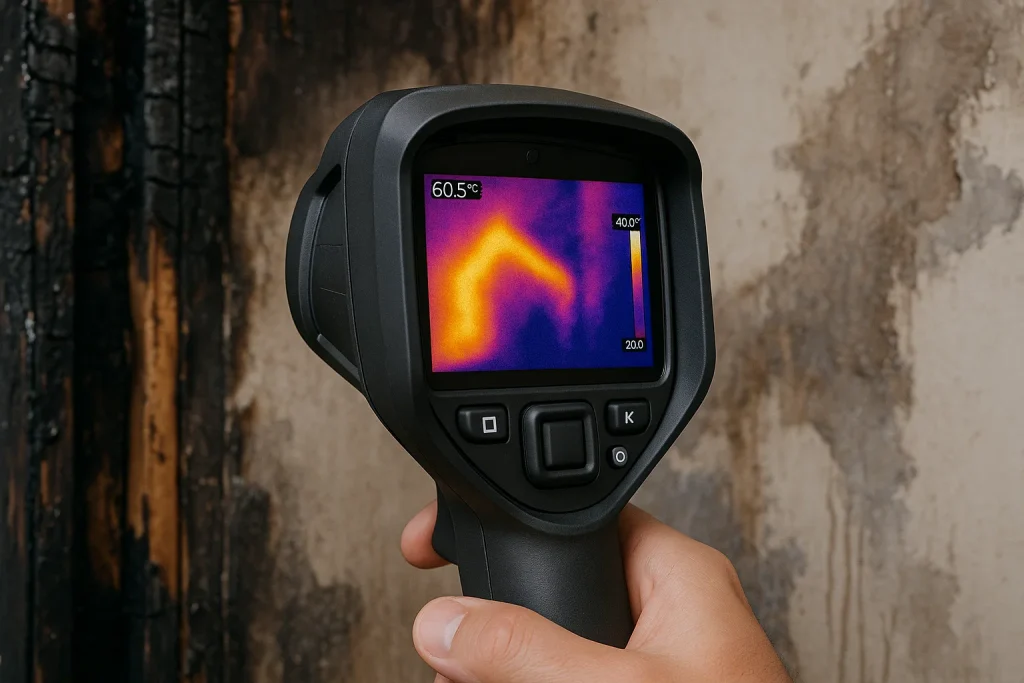
Even after visible flames are extinguished, heat can cause hidden damage within walls or ceilings. Thermal imaging cameras identify hot spots and heat trails, helping to locate areas affected by heat exposure that might require special attention during restoration.
Using Technology to Enhance Damage Assessment Accuracy
Modern technology has revolutionized damage assessment processes, offering greater precision and faster analysis. Some technological advancements include:
- Thermal Imaging: Uses heat detection to create images that help identify hidden water damage and hot spots in fire-damaged areas.
- 3D Mapping and Modeling: Creates detailed layouts of damaged areas, helping restoration professionals plan exact repairs.
- Data Management Software: Organizes assessment information, streamlines quotes, and improves communication with homeowners and insurers.
These tools empower restoration teams to conduct comprehensive assessments efficiently.
Step-by-Step Guide to Performing an Effective Damage Assessment
Whether you hire professionals or begin with your own inspection, understanding the general process of damage assessment can be invaluable.
- Ensure Safety: Before entering a damaged property, check for hazards such as electrical issues, unstable structures, or gas leaks.
- Conduct Initial Visual Survey: Note all visible damage to major components including the roof, walls, flooring, and HVAC systems.
- Use Detection Devices: Employ moisture meters, thermal cameras, or air quality testers based on damage type.
- Document Findings: Capture photos and videos, record measurements, and write detailed descriptions.
- Evaluate Structural Soundness: Consult qualified engineers if necessary to assess the integrity of critical components.
- Compile Assessment Report: Organize all data into a professional report to guide restoration work and assist with insurance claims.
- Develop a Restoration Plan: Prioritize repairs based on safety risks, severity of damage, and restoration goals.
Following a methodical damage assessment protocol ensures no critical issues are overlooked.
Why Partner with Restoration 365 for Your Damage Assessment Needs?
At Restoration 365, we leverage advanced damage assessment techniques to provide our clients in Southeastern PA and Southern New Jersey with the most accurate evaluations possible. Our certified technicians undergo continuous training and have access to state-of-the-art tools that help us diagnose problems thoroughly.
By choosing us, you benefit from:
- Fast, detailed damage assessments to minimize downtime
- Comprehensive reporting that supports insurance processing
- Expert recommendations tailored to your property’s specific needs
- Seamless transition from assessment to remediation services
Our commitment is to restore your property efficiently and to the highest standard, making us your trusted partner in recovery.
Frequently Asked Questions About Damage Assessment
What are common tools used for assessment?
Common tools include moisture meters for detecting water intrusion, thermal imaging cameras to find heat damage or moisture, air quality monitors for assessing mold spores, and drones for visual inspections of roofs or large areas.
How soon should an assessment be performed after an incident?
It is best to conduct an assessment as soon as it is safe to enter the property. Early assessment helps prevent additional damage and accelerates restoration.
Can damage assessment detect hidden mold or structural issues?
Yes, specialized equipment like air quality testers and non-destructive structural testing devices enable professionals to identify hidden mold infestations and structural weaknesses that aren’t visible to the naked eye.
External Reference
According to the Environmental Protection Agency (EPA), prompt and thorough damage assessment combined with professional mold remediation is critical to maintaining healthy indoor air quality and preventing health risks after water damage.
Conclusion: Take Control with Effective Damage Assessment Today
Assessment is not just a formality but a powerful tool that shapes the entire recovery process after fire, water, or mold disasters. By embracing cutting-edge assessment techniques, you can uncover hidden threats, accurately plan repairs, and safeguard your property’s long-term value.
If you are dealing with property damage anywhere in Southeastern PA or Southern New Jersey, Restoration 365 is ready to assist. Contact us today for a professional, comprehensive damage assessment that will set you on the path to a swift, successful restoration. Don’t leave recovery to chance, trust the experts who transform damage into restoration excellence.


