

When it comes to preserving the value and safety of your home or commercial building, maintenance plays a crucial role. Restoration maintenance involves the ongoing care and repair of properties affected by water, fire, mold, or general wear and tear. Implementing effective maintenance strategies can dramatically extend the lifespan of your property, reduce costly repairs, and maintain a healthy living environment. Whether you own a home in Southeastern Pennsylvania or a business in Southern New Jersey, knowing how to protect your investment with thorough maintenance is key.
In this comprehensive guide, we will explore top restoration maintenance strategies designed to keep your property resilient and looking its best while minimizing risks and expenses over time.

Understanding Restoration Maintenance and Its Importance
Restoration maintenance encompasses proactive and reactive efforts to restore and preserve damaged or aging properties. It goes beyond basic upkeep by addressing underlying issues caused by environmental stressors, disasters, or prolonged deterioration. This type of maintenance typically involves:
- Water damage restoration and waterproofing
- Mold remediation and prevention
- Fire damage repair and smoke removal
- Structural repairs and ongoing inspections
By routinely engaging in maintenance, property owners can mitigate hidden risks such as mold growth, structural weaknesses, and electrical hazards. The goal is to extend the property’s functional lifespan and uphold safety standards.
Water Damage and Restoration Maintenance Strategies
Water damage is one of the most common threats to property. It can arise from storms, plumbing failures, or flooding and often leads to mold growth and structural compromise if not addressed quickly.
Key Water-Related Restoration Maintenance Tips:
- Regular Roof & Gutter Inspections: Check for leaks, damaged shingles, and clogged gutters every season to prevent water pooling and intrusion. Repair any issues immediately to avoid water seepage.
- Foundation Waterproofing: Apply sealants and maintain exterior drainage systems to keep groundwater from penetrating basement walls or foundations.
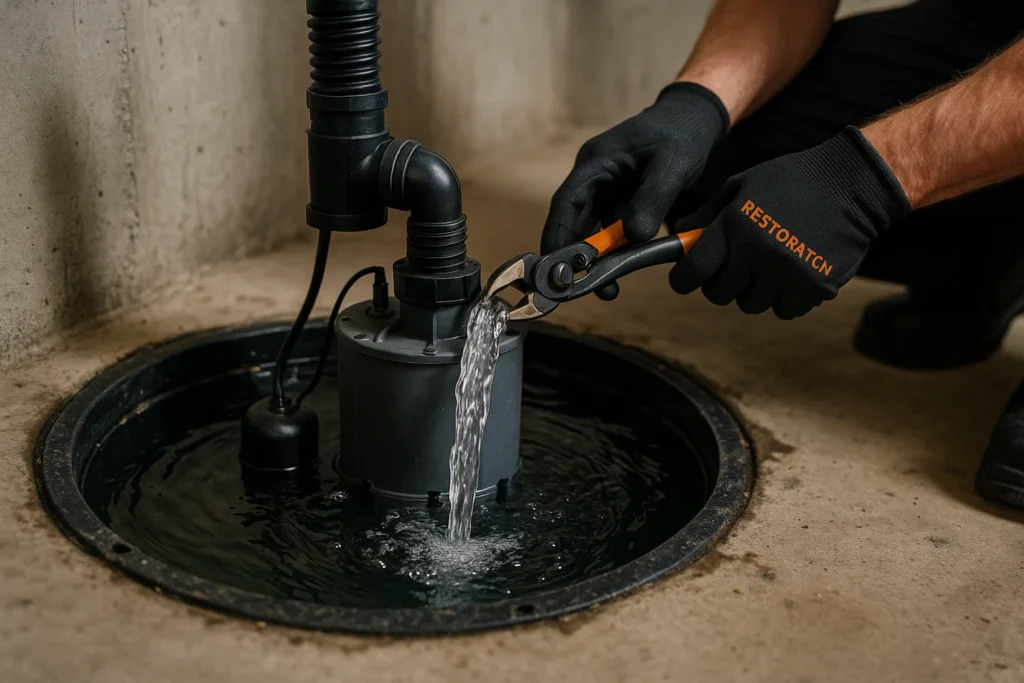
- Sump Pump Testing: Ensure your sump pump is functional, especially before rainy seasons, to efficiently remove excess water.
- Prompt Water Removal: Utilize professional water extraction and drying services after leaks or floods to prevent mold growth.
Mold Prevention and Restoration Maintenance
Mold not only damages building materials but also poses health risks to occupants. Maintenance focused on mold prevention is essential for a safe property.
Mold-Related Restoration Maintenance Practices:
- Control humidity levels inside your property by using dehumidifiers and ensuring proper ventilation.
- Fix plumbing leaks and address water damage promptly to deny mold a breeding ground.
- Regularly clean and inspect HVAC systems to prevent mold contamination.
- Employ professional mold remediation services if mold is detected to eliminate spores effectively.
According to the Environmental Protection Agency (EPA), controlling moisture is the key to preventing mold growth in buildings.

Fire Damage Restoration Maintenance Strategies
Fire damage can compromise a property’s integrity, even if the fire itself was contained quickly. Smoke and soot residues also cause long-term material degradation.
Fire-Related Restoration Maintenance Includes:
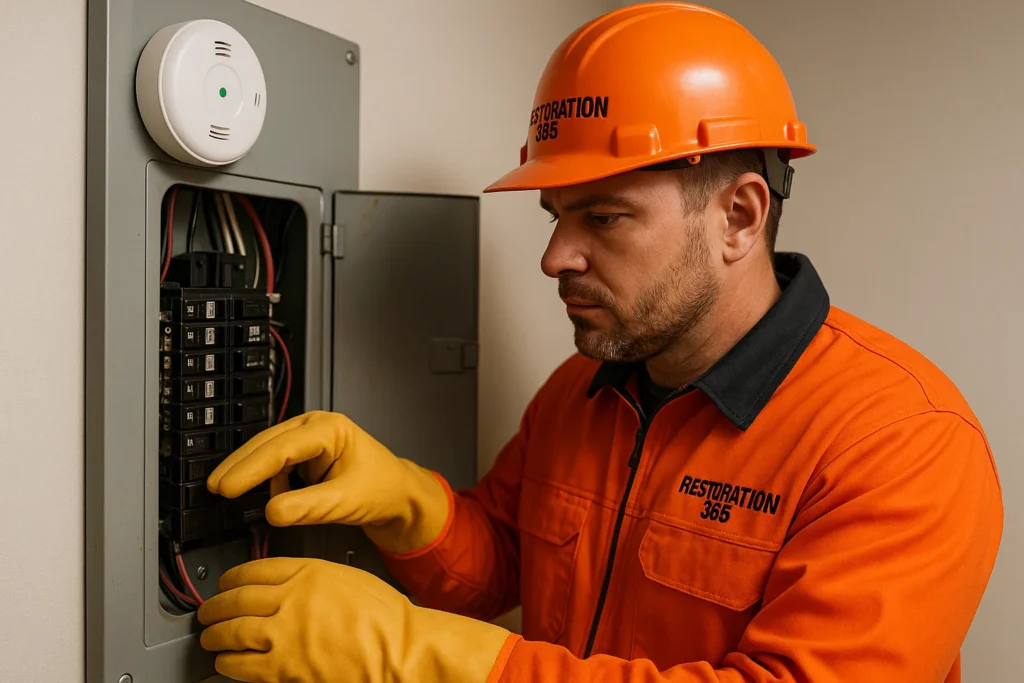
- Conducting electrical system inspections to thwart fire hazards caused by faulty wiring.
- Removing damaged materials and soot residues professionally to avoid further corrosion.
- Using fire-resistant building materials during repairs and renovations to improve future resilience.
- Installing and maintaining smoke detectors and fire extinguishers as safety measures.
Structural Restoration Maintenance to Ensure Longevity
The foundation, walls, and framing of your property must be continuously maintained to avoid costly collapse or major repairs.
Structural Maintenance Tips:
- Schedule annual inspections with professional contractors to identify early signs of damage.
- Repair cracks, corrosion, and warping promptly using industry-approved restoration methods.
- Reinforce weakened areas with modern restoration materials that blend structural integrity with durability.
- Maintain drainage around the property to reduce soil erosion that can destabilize the foundation.
Creating a Restoration Maintenance Schedule
A thorough, organized maintenance schedule helps property owners stay ahead of issues and budget for necessary repairs.
Sample Restoration Maintenance Schedule:
| Timeframe | Task Description |
|---|---|
| Quarterly | Inspect gutters, sump pumps, and HVAC systems |
| Biannually | Professional water damage and mold inspection |
| Annually | Full property inspection including foundation and wiring |
| After major weather | Emergency checks for water, fire, and structural damage |
Following a regimented schedule like this ensures consistent monitoring and upkeep. Working with experienced restoration specialists also helps keep the schedule professional and complete.
Top Restoration Maintenance Tools and Technologies
Implementing maintenance has become easier with tools and tech that enable early detection and efficient repairs.
- Infrared Cameras: Detect hidden moisture behind walls and under floors.
- Moisture Meters: Measure humidity levels in building materials to spot potential mold risks.
- Drones: Survey large commercial properties for damage and roof integrity without safety risks.
- Restoration Software: Manage maintenance schedules and track repair histories digitally.
Investing in these tools or working with contractors who utilize them provides better restoration outcomes.
Frequently Asked Questions About Restoration Maintenance
Q1: How often should restoration maintenance be performed?
Maintenance frequency depends on property age, location, and exposure to hazards, but generally, inspections quarterly and major comprehensive checks annually are recommended.
Q2: Can I perform restoration maintenance myself?
Basic tasks like gutter cleaning or humidity control can be DIY, but water damage extraction, mold remediation, and structural repairs require professional expertise for safety and effectiveness.
Q3: What is the cost benefit of restoration maintenance?
Proactive maintenance reduces costly emergency repairs, extends the property’s lifespan, improves occupant health, and preserves property value over time.
Why Choose Restoration 365 for Your Restoration Maintenance Needs?
At Restoration 365, we understand the unique environmental challenges faced by properties in Southeastern PA and Southern NJ. Our expert team delivers comprehensive restoration maintenance services tailored to your property’s needs. From water damage mitigation and mold remediation to fire damage repair and structural restoration, we’re your trusted partner in safeguarding your investment.
Our commitment to prompt, professional service minimizes downtime and disruption while maximizing restoration quality. With advanced tools and certified technicians, we ensure lasting results that protect your property’s lifespan.
Conclusion: Protect Your Property with Expert Restoration Maintenance
Restoration maintenance is the cornerstone of property longevity. By integrating strategic inspections, timely repairs, and professional restoration, you can dramatically extend your home or business’s useful life and stave off costly problems. Don’t wait for damage to escalate. Act now to preserve your property’s integrity and safety.
Contact Restoration 365 today to schedule a comprehensive restoration maintenance evaluation or immediate restoration service. Protect your investment with the peace of mind that comes from expert care tailored to the unique needs of Southeastern Pennsylvania and Southern New Jersey properties. Your property deserves nothing less than the best in restoration maintenance.
