

Property damage restoration is a critical skill for homeowners and professionals alike, especially in regions like Southeastern PA and Southern New Jersey where water, fire, and mold damage can happen unexpectedly. Mastering property damage restoration quickly not only helps minimize the destruction to your property but also safeguards your health and finances. Whether you’re tackling a minor repair or managing a major recovery project, understanding these unbelievable secrets will empower you to restore your property efficiently and effectively.
Understanding the Basics of Property Damage Restoration
Before diving into advanced techniques, it’s essential to grasp what property damage restoration involves. This process includes assessing, repairing, and returning a property to its pre-damage condition after events such as floods, fires, mold infestations, or storms. Restoration professionals follow strict guidelines to ensure safety and compliance with industry standards.
Why Mastering Property Damage Restoration Quickly Matters
Speed and expertise in restoration reduce the risk of secondary damage, such as mold growth or structural weakening, which can be costly and hazardous if left unattended. Immediate action can also help save sentimental items and lessen insurance claim complications.
Key Steps in Property Damage Restoration
1. Rapid Damage Assessment
An accurate and swift inspection identifies the extent of the problem. This includes checking structural integrity, water saturation levels, smoke odor penetration, and mold presence.
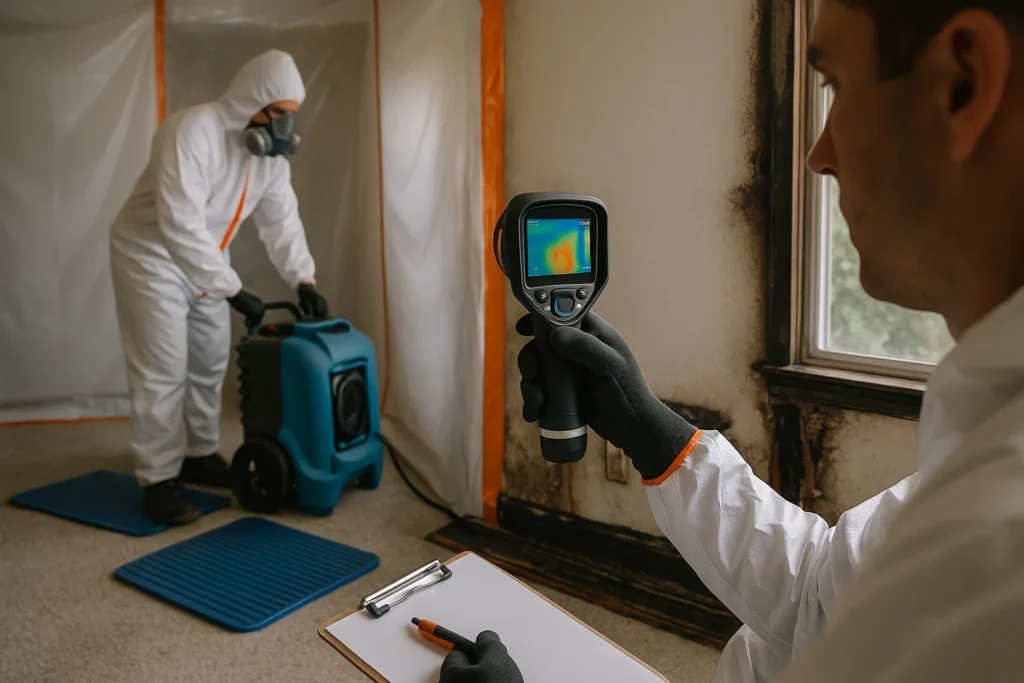
2. Containment and Mitigation
Once the damage is assessed, contain the affected areas to prevent spreading moisture, soot, or mold spores. Remove damaged materials that pose health risks or cannot be restored.
3. Water Extraction and Drying
If water damage is involved, promptly extracting standing water and drying out the property with high-powered dehumidifiers and air movers is critical to prevent mold growth.
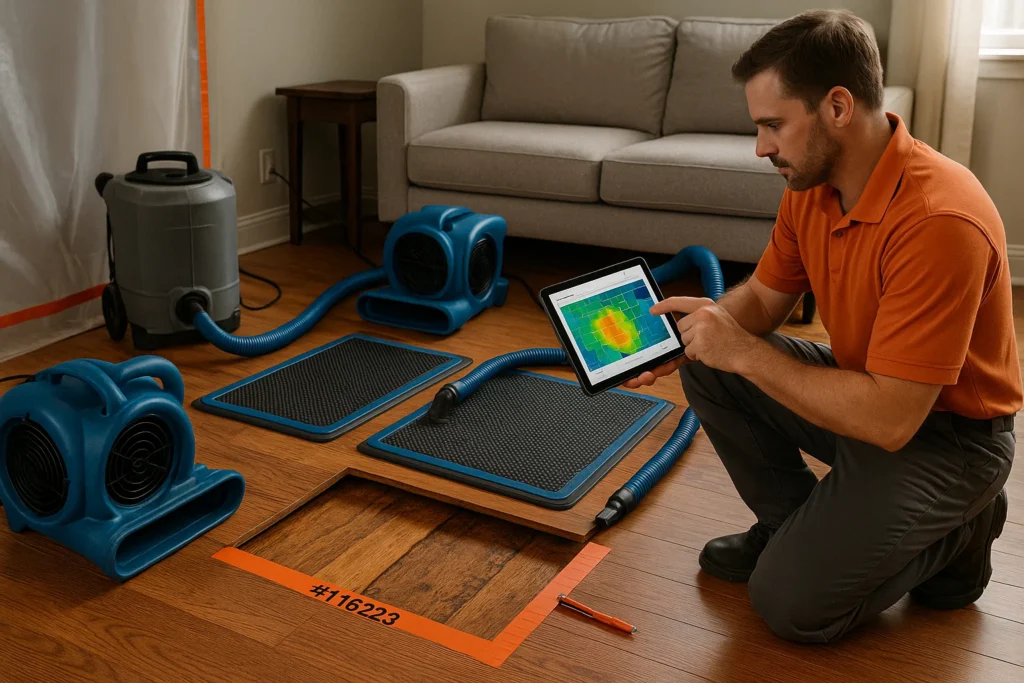
4. Cleaning and Sanitizing
Thorough cleaning of surfaces using specialized agents removes contaminants. Deodorization eliminates lingering odors from smoke or mildew.
5. Repairs and Reconstruction
Finally, repair or replace damaged drywall, flooring, electrical wiring, and anything else compromised during the damaging event.
Secret #1: Use Advanced Moisture Detection Tools
Moisture meters and infrared cameras are invaluable for detecting hidden water damage behind walls or under floors. Knowing the exact locations saves time during drying and repairs.
Secret #2: Prioritize Safety at Every Step
Don’t overlook safety protocols like wearing protective gear and ensuring the electrical system is off before starting. This avoids injuries and electrical hazards.
Secret #3: Develop a Restoration Plan Before Acting
Jumping straight into cleanup without a plan can lead to missed steps or unnecessary damage. A structured approach streamlines the process and improves results.
Secret #4: Partner with Certified Professionals
Working with restoration companies certified by organizations such as the Institute of Inspection, Cleaning and Restoration Certification (IICRC) guarantees adherence to industry best practices and quicker turnaround.
Secret #5: Keep Documentation for Insurance Claims
Take photos and notes before and after restoration. This documentation supports your insurance claim and helps you recover costs efficiently.
Essential Tools for Property Damage Restoration
Here’s a quick checklist of must-have tools that speed up restoration:
- Moisture meters and infrared cameras
- Industrial dehumidifiers and air movers
- HEPA vacuums for mold removal
- Cleaning agents and antimicrobial solutions
- Protective gear (gloves, masks, goggles)
- Disposal bags and containers for damaged materials
Using the right equipment makes a significant difference in restoration quality and timing.
How to Handle Specific Damage Types in Property Damage Restoration
Water Damage Restoration
Immediate water extraction and drying within 24 to 48 hours is critical. Mold begins to grow quickly, so delay can lead to severe health issues.

Fire Damage Restoration
Removing soot and charred debris, deodorizing smoke odor, and repairing structural damage require specialized expertise and equipment.
Mold Damage Restoration
Isolating mold-infested areas and using EPA-approved fungicides prevents mold spores from contaminating the rest of your property. Mold remediation may involve air scrubbing and material removal.
Frequently Asked Questions About Property Damage Restoration
1. How long does property damage restoration take?
The timeline varies based on severity. Minor damages might take a few days, whereas extensive fires or floods can require weeks. Quick assessment and response reduce restoration time.
2. Can I perform property damage restoration myself?
Small issues like cleaning minor water stains may be manageable, but most damage restoration tasks require professional skills, especially for mold or structural repairs.
3. What should I look for when hiring restoration services?
Choose companies with proper certifications, a proven track record, insurance, and positive customer reviews. Verified expertise ensures a safe and thorough restoration.
Trust Restoration 365 for Expert Property Damage Restoration in Southeastern PA and Southern New Jersey
Restoration 365 understands how disruptive property damage can be. We provide prompt, professional, and comprehensive property damage restoration services tailored to your needs. Our certified team uses cutting-edge tools and follows best practices to restore your home or business to pre-loss condition quickly and safely. Don’t let water, fire, or mold damage linger—contact Restoration 365 today to safeguard your property and peace of mind.
For more information on professional restoration standards, visit the Environmental Protection Agency (EPA) guidance on moisture and mold control.
Take action now to prevent further loss from property damage. Reach out to Restoration 365 and let our experts help you master property damage restoration quickly and effectively. Your home deserves the best care possible after damage—trust the professionals who deliver.


