


When a fire strikes your home or business, the visible flames and structural damage are only part of the problem. The pervasive smoke and soot left behind can cause long-term health issues, unpleasant odors, and persistent stains that seem impossible to remove. This is where advanced smoke remediation techniques come into play, offering property owners in Southeastern PA and Southern New Jersey effective solutions that restore and revitalize fire-damaged spaces.
At Restoration 365, we utilize cutting-edge smoke remediation breakthroughs to ensure your fire-damaged property is restored safely and efficiently. In this article, we’ll explore the latest innovations in smoke remediation and how these developments can transform spaces devastated by fire.
Understanding Smoke Remediation: The First Step to a Cleaner Space
Smoke remediation is the process of removing smoke residues, odors, and contaminants resulting from fire damage. It involves a combination of cleaning, deodorizing, and restoring affected materials such as walls, ceilings, flooring, furniture, and HVAC systems. Early and thorough smoke remediation is crucial not only to improve air quality but also to prevent further damage caused by smoke particles settling and reacting with surfaces.
Traditional smoke removal methods often fell short, leaving behind stubborn odors or causing additional material deterioration. However, recent breakthroughs have significantly improved the effectiveness and safety of the smoke remediation process.
Breakthroughs in Smoke Remediation Technology
Advancements in technology and science have revolutionized smoke remediation. Here are some of the most impactful breakthroughs currently changing the landscape of fire damage restoration:
1. Thermal Fogging for Deep Odor Penetration
Thermal fogging uses heated deodorizing agents that penetrate deeply into porous materials and hard-to-reach spaces. This method targets smoke molecules, neutralizing odors at the molecular level rather than just masking them. The fog can reach cracks, vents, and furniture crevices, providing comprehensive deodorization.
2. Ozone Treatment and Its Evolving Application
Ozone generators create ozone molecules that oxidize smoke odors and bacteria. Recent refinements in ozone application make it safer and more controlled, minimizing any damage ozone might cause to delicate materials. This method is particularly effective in neutralizing persistent, smoky smells in enclosed spaces.
3. Advanced Cleaning Agents and Ultrasonic Technology
New cleaning agents designed for smoke and soot removal are now combined with ultrasonic cleaning technology. Ultrasonic waves create microscopic bubbles that lift smoke particles from materials without harsh scrubbing. This is ideal for sensitive items like electronics, textiles, and artwork.
4. HEPA Air Scrubbers and Ventilation Innovations
High-Efficiency Particulate Air (HEPA) filtration technology has improved air quality during restoration and after smoke remediation efforts. Modern HEPA air scrubbers remove fine smoke particles that traditional filters cannot capture. Coupled with improved ventilation systems, these devices ensure cleaner indoor air and reduce the risk of respiratory issues among occupants.
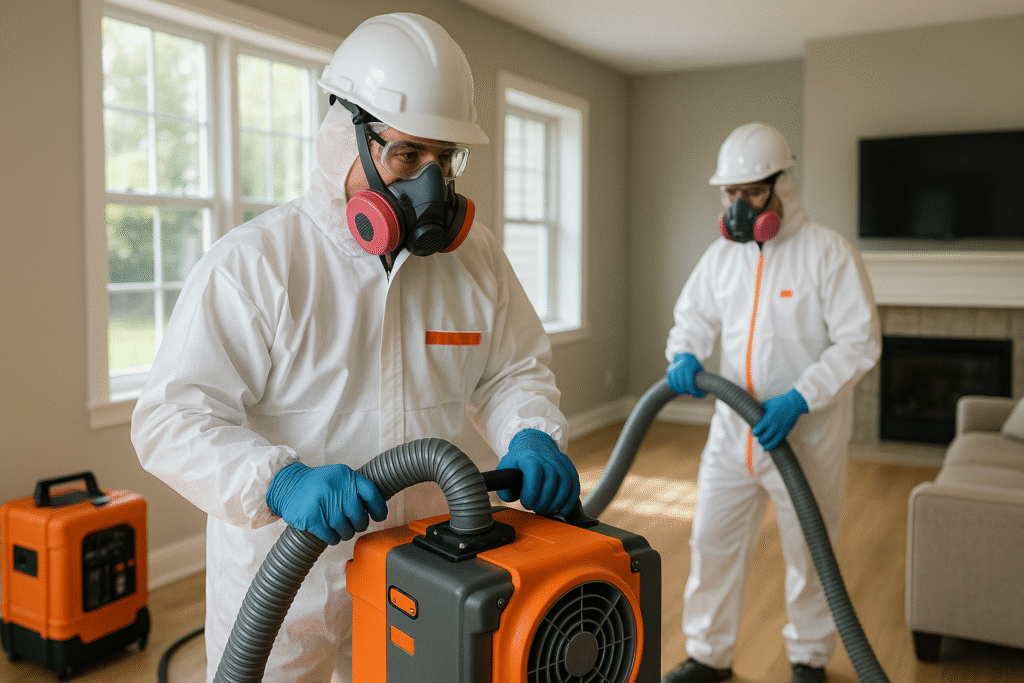
Smoke Remediation Techniques That Restore Fire-Damaged Materials
Different surfaces require specialized smoke remediation techniques to ensure effective restoration without further damage.
Walls and Ceilings
Soot and smoke residues can deeply embed themselves into paints and drywall. Restoration professionals use specialized cleaning solutions combined with scraping and sanding to remove residues. Eco-friendly sealants may be applied afterward to block any lingering odors.
Flooring
Wood, carpet, and tile each react differently to smoke exposure. Carpets often require shampooing and deep steam cleaning, while hardwood floors may need sanding and refinishing. Tile and grout benefit from scrubbing with smoke-specific cleaners.
HVAC Systems
Smoke particles can accumulate in ducts, spreading odors throughout the building. Smoke remediation includes thorough duct cleaning, which often involves brushing, vacuuming, and sealing leaks to prevent recontamination.
Furniture and Personal Items
Soft furnishings and collectibles may require a combination of ultrasonic cleaning, thermal fogging, and ozone treatments to remove smoke residues and odors. Restoration 365 offers careful evaluation and treatment options tailored to each item’s material and value.

Benefits of Hiring Professional Smoke Remediation Services
While DIY smoke cleaning might seem tempting after a fire, professional smoke remediation offers significant advantages that ensure a thorough and safe restoration:
- Deep and lasting odor removal: Professional fire restoration experts use industrial-grade equipment and products that homeowners cannot typically access.
- Health and safety: Trained technicians understand the hazards posed by smoke residues and use proper protective gear and methods to minimize risks.
- Material preservation: Expert handling helps preserve original materials and restore items that might otherwise be discarded.
- Speed and efficiency: Prompt professional intervention reduces long-term damage and limits costs associated with extended exposure to smoke.
How Restoration 365 Leads the Way in Smoke Remediation
Serving Southeastern PA and Southern New Jersey, Restoration 365 combines the latest smoke remediation breakthroughs with unmatched local experience. Our certified technicians implement a tailored remediation plan for every fire-damaged property, ensuring comprehensive property damage restoration. We use state-of-the-art equipment such as thermal foggers, ultrasonic cleaners, and HEPA air scrubbers to restore your space faster and better.
Smoke Remediation Process: What to Expect
When you engage Restoration 365 for smoke remediation, here is a typical step-by-step process you can expect:
- Damage assessment and consultation: We evaluate the extent of smoke damage, advise on necessary remediation steps, and provide a clear estimate.
- Containment: To prevent the spread of soot and dust, we isolate affected areas.
- Cleaning and debris removal: We clean surfaces, remove soot with specialized brushes and vacuums, and discard irreparable items.
- Deodorization: Using thermal fogging, ozone treatment, and other deodorization methods, we target smoke odors.
- Restoration and repairs: We repair or replace damaged materials such as drywall, flooring, and cabinetry.
- Final inspection and air quality check: We conduct post-remediation testing to confirm odors and contaminants are eliminated.
Essential Smoke Remediation Tips for Homeowners
While professional help is invaluable and professional disaster cleanup services provide a far more thorough and safe solution than DIY methods. Here are some quick tips you can apply immediately after fire damage to mitigate smoke effects:
- Ventilate the area by opening windows and using fans.
- Avoid wiping walls or fabrics without expert guidance to prevent smearing soot.
- Remove and wash all textiles, including curtains and bedding.
- Change HVAC filters and consider duct cleaning.
- Document damages for insurance purposes.
Why Smoke Remediation Matters Beyond Odor Removal
While eliminating foul odors is the most noticeable benefit of smoke remediation, the process also plays an important role in health protection. Smoke residues contain carcinogenic and toxic compounds that can linger in the air and on surfaces. According to the Environmental Protection Agency (EPA), prolonged exposure to soot and smoke particles increases risks of respiratory problems, heart disease, and aggravated asthma.
By choosing professional smoke remediation, you protect your family or employees from harmful toxins while restoring a livable environment.

Frequently Asked Questions about Smoke Remediation
Q1: How soon after a fire should smoke remediation begin?
Smoke remediation should commence as soon as it is safe to enter the structure. Early intervention limits the spread of odors and reduces overall damage.
Q2: Can smoke remediation remove odor from all types of materials?
While most materials respond well to advanced remediation techniques, some severely damaged or porous items may need replacement. Professional assessment will identify salvageable belongings.
Q3: Is smoke remediation covered by insurance?
Many homeowners and commercial policies cover fire damage restoration including smoke remediation, but coverage varies. Always check with your insurer promptly and provide documentation.
Transform Your Fire-Damaged Space with Expert Smoke Remediation
The aftermath of fire damage can feel overwhelming, but with breakthroughs in smoke remediation, restoration is more effective and accessible than ever. At Restoration 365, we bring advanced technology and trusted expertise to Southeastern PA and Southern New Jersey homes and businesses, transforming fire-damaged spaces into clean, healthy environments you can trust.
Don’t let smoke damage linger or risk your health. Contact Restoration 365 today for a comprehensive smoke remediation consultation and take the first step toward a fully restored property. Your home and peace of mind deserve nothing less.


